Short on AI talent? No, Europe shorts on the mobility that would let talent meet opportunity
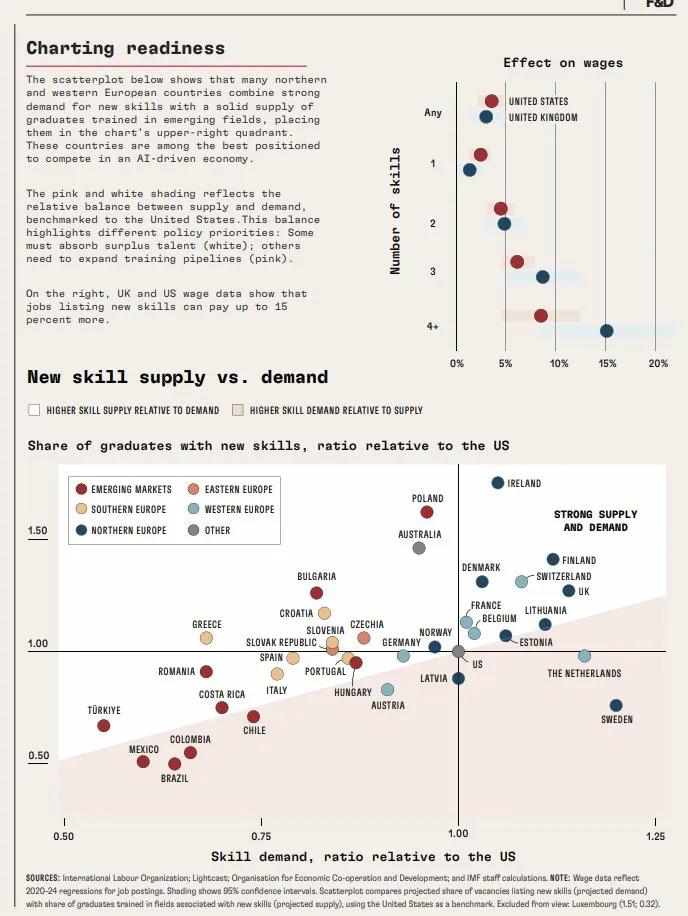
Compared with the United States, Europe’s AI workforce strategy is failing in both directions simultaneously: Ireland and Finland are minting AI-ready graduates into economies that can’t absorb them. Sweden and the Netherlands are posting jobs they cannot fill.
The result is a matching crisis: surplus workers here, surplus demand there, with declining mobility cementing the mismatch. Researcher mobility would have arbitraged these gaps - Polish AI talent flowing to Stockholm, Finnish graduates chasing Dutch wages. But intra-European cross-border movement has struggled to recover to pre-pandemic levels, compounded by tightening national migration policies that treat labor as a domestic resource rather than a continental one. Increasingly - especially for trained talents - this isn't the case.
The wage data confirms the dysfunction. In the US and UK, jobs listing AI-adjacent skills already command premiums of up to 15 percent, signaling that employers are pricing genuine scarcity into compensation. The fact that these premiums are growing in markets with relatively mature AI graduate pipelines suggests the bottleneck is geographic and institutional, not educational. Training programs solve nothing when workers cannot reach the job opportunities.
Next time, when putting “reskilling workers” in policy recommendations, we (I) need to be more than careful.